Detroit Real Estate Information
- Photos





























Quick Links
| About Detroit |
| School Information |
| Local Business |
| Market Statistics |
| Community Events |
| About Detroit |
| School Information |
| Local Business |
| Market Statistics |
| Community Events |
Spanning 143 square miles, Detroit, Michigan remains one of the largest cities in the United States and one of its most historically influential. Known worldwide as the birthplace of the modern automotive industry, Detroit today is a city defined by its diversity of people, neighborhoods, architecture, and opportunity. From historic districts and cultural institutions to waterfront parks and revitalized commercial corridors, Detroit offers a wide range of lifestyles across its many distinct areas.
For clarity, the city is often described through six primary regions, each with its own character and highlights.
Downtown Detroit
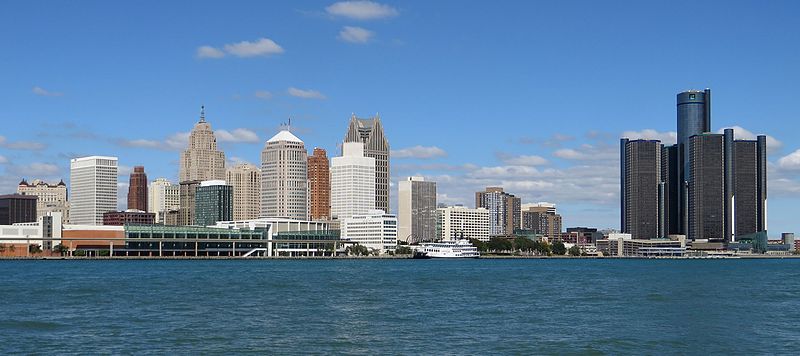
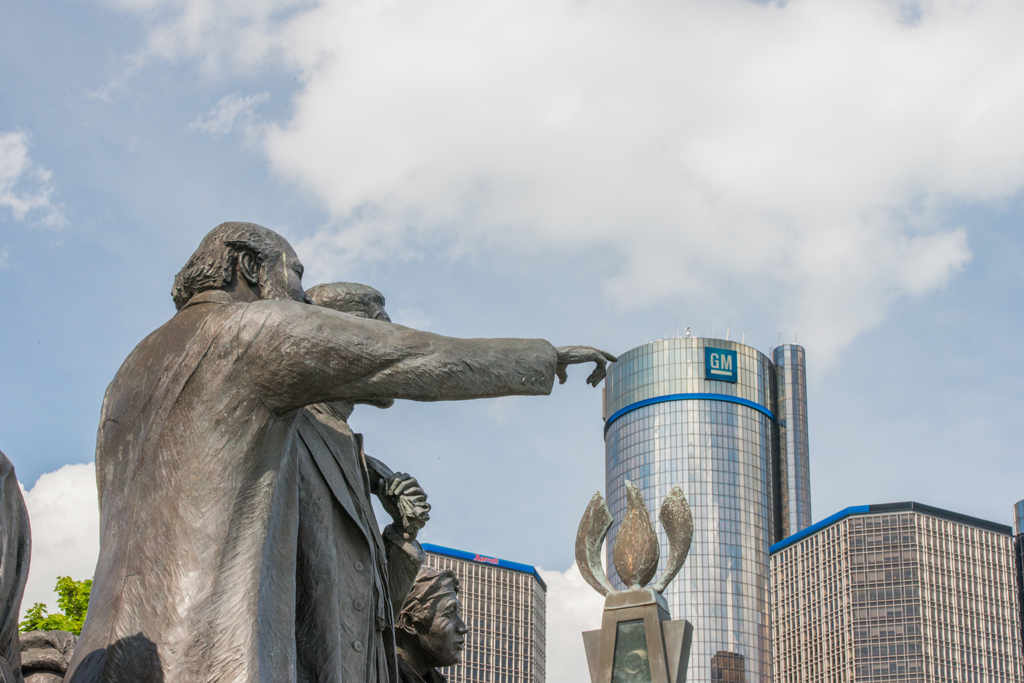
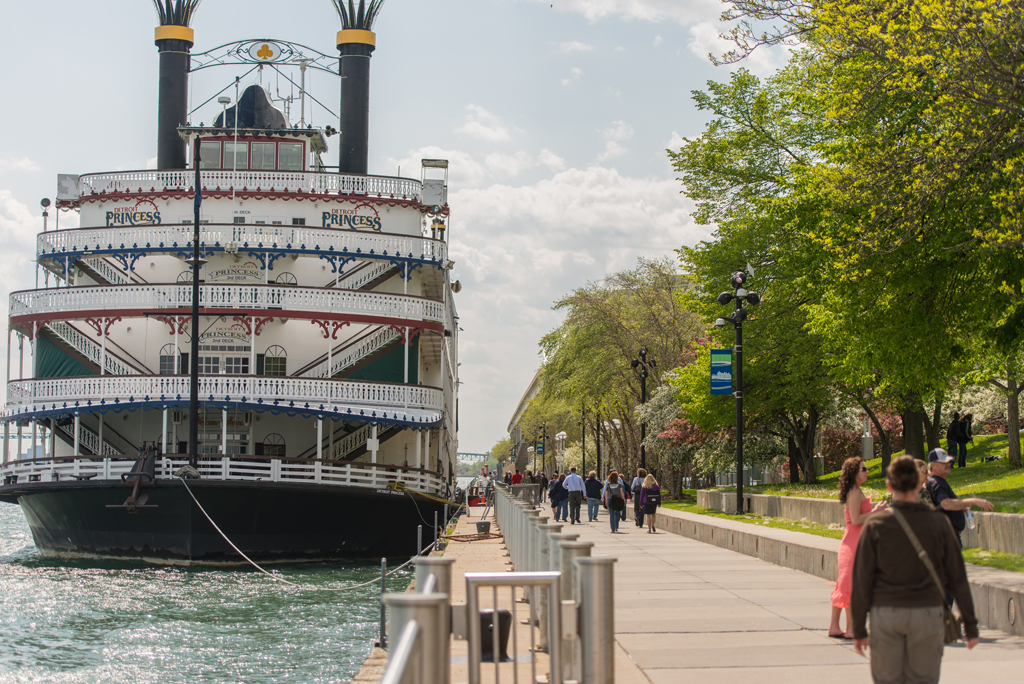
Detroit’s downtown serves as the city’s business, entertainment, and residential core. Along West Jefferson Avenue, the iconic Renaissance Center anchors the skyline and houses office space, hotels, and dining. Nearby is the Huntington Place convention center (formerly Cobo Center), which hosts major national events, while the Detroit Riverwalk stretches eastward, connecting parks, marinas, and public gathering spaces along the waterfront. Belle Isle is accessible just beyond this corridor, and the Detroit–Windsor Tunnel provides direct international access to Canada.
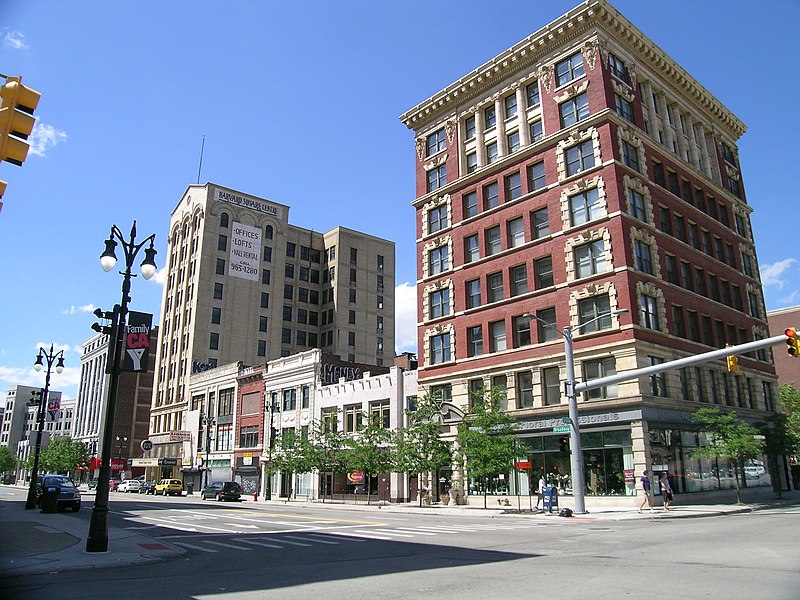
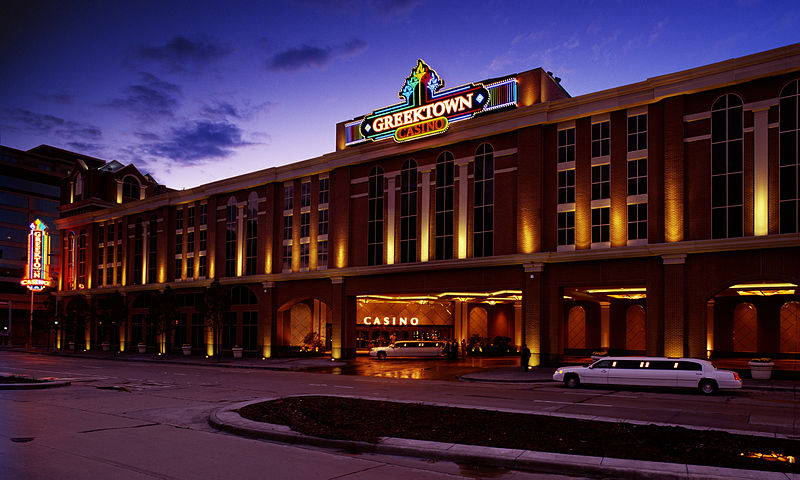
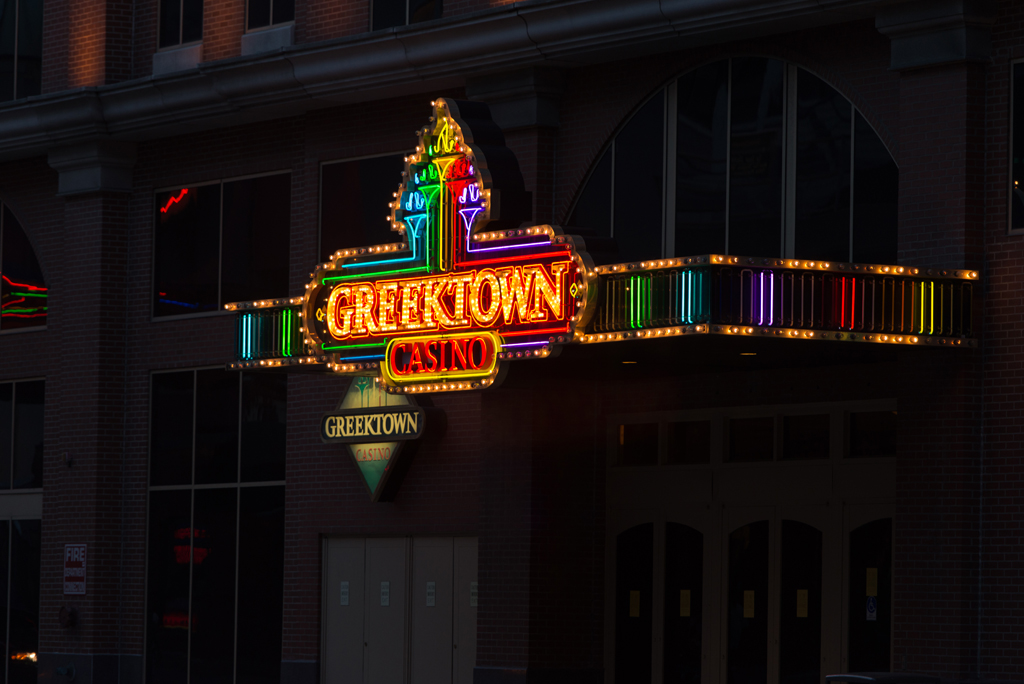
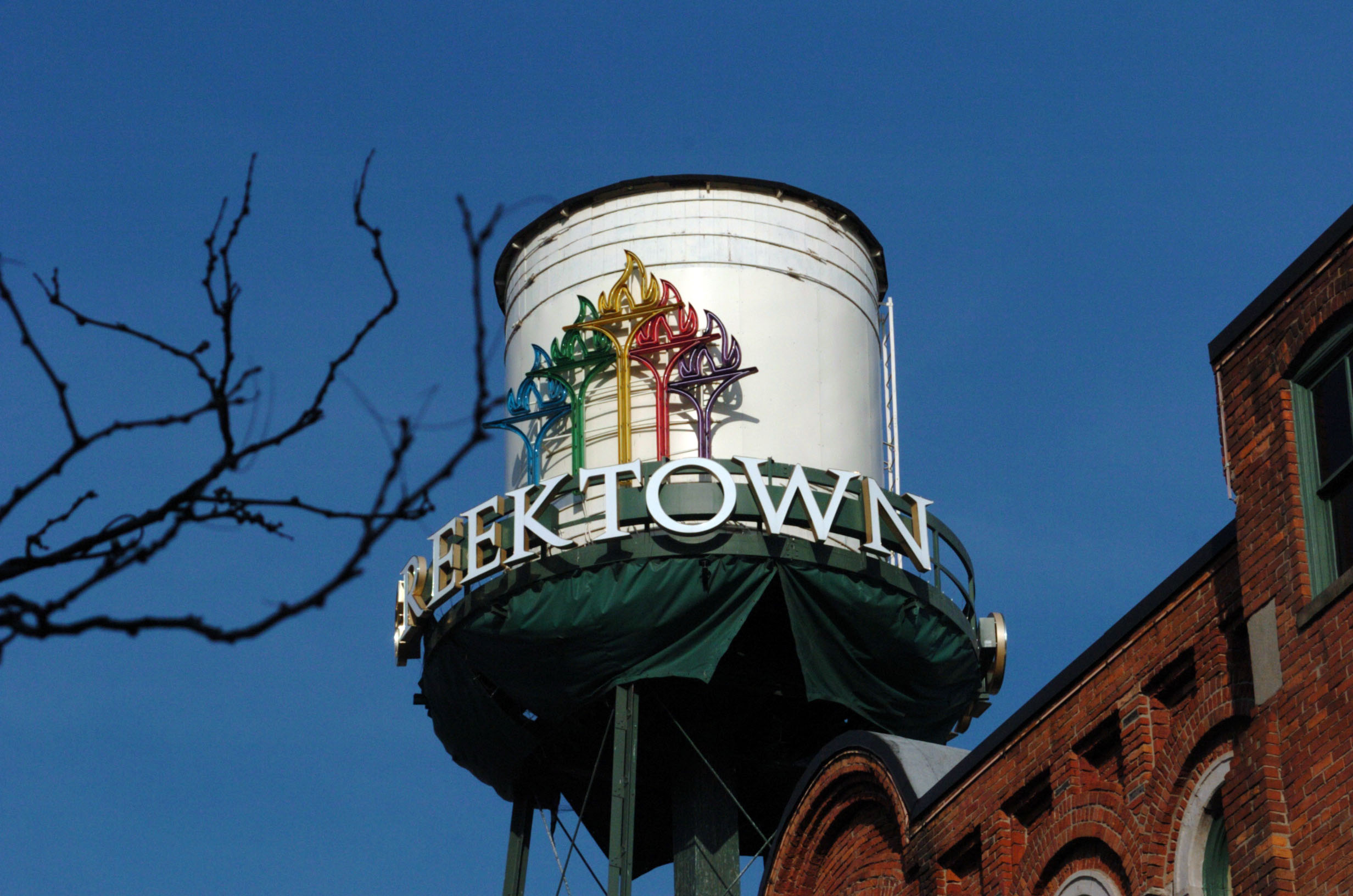
Residential options downtown are primarily high-rise apartments, condominiums, and lofts, with many offering river or skyline views. Nearby districts such as Greektown add nightlife and dining, along with one of the city’s major casinos. The Washington Boulevard and Lower Woodward Avenue Historic Districts showcase restored Art Deco skyscrapers that now house a mix of offices, residences, and hotels.
Midtown
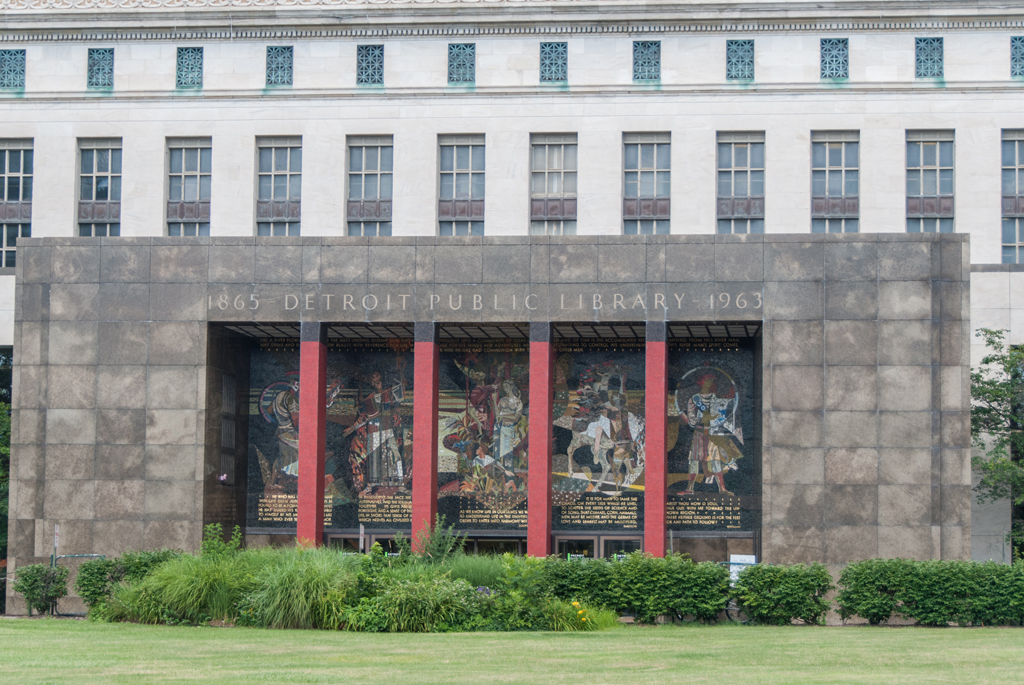
Just north of downtown, Midtown is one of Detroit’s most vibrant and culturally rich areas. It is home to Wayne State University, one of Michigan’s major public research institutions, as well as the heart of the city’s cultural corridor. Nearby landmarks include the Detroit Institute of Arts, Detroit Public Library, and Michigan Science Center.
Residential life in Midtown includes historic mansions, renovated apartment buildings, modern townhomes, and loft-style developments. Neighborhoods such as Brush Park, Cass Corridor, East Ferry Avenue, and Sugar Hill reflect the area’s architectural diversity and ongoing reinvestment. The combination of education, healthcare, arts, and dining makes Midtown a popular choice for students, professionals, and long-term residents alike.
New Center
Located roughly five miles north of downtown, New Center developed as an early corporate hub for the auto industry. The area is anchored by Cadillac Place, once the headquarters of General Motors, and the landmark Fisher Building, home to the historic Fisher Theatre. Henry Ford Hospital, one of the region’s largest medical campuses, is also located here.
Surrounding residential neighborhoods offer a wide range of housing styles. Boston-Edison, one of the largest residential historic districts in the country, features stately homes built for early automotive executives. Nearby areas such as Arden Park, Atkinson Avenue, and the New Amsterdam Historic District provide additional single-family homes, duplexes, and loft-style living.
Near West and Southwest Detroit
The Near West and Southwest areas reflect Detroit’s industrial roots alongside strong neighborhood identity. Corktown, the city’s oldest neighborhood, blends historic housing with new development, restaurants, and local businesses. Once home to Tiger Stadium, Corktown continues to evolve while maintaining its Irish heritage.
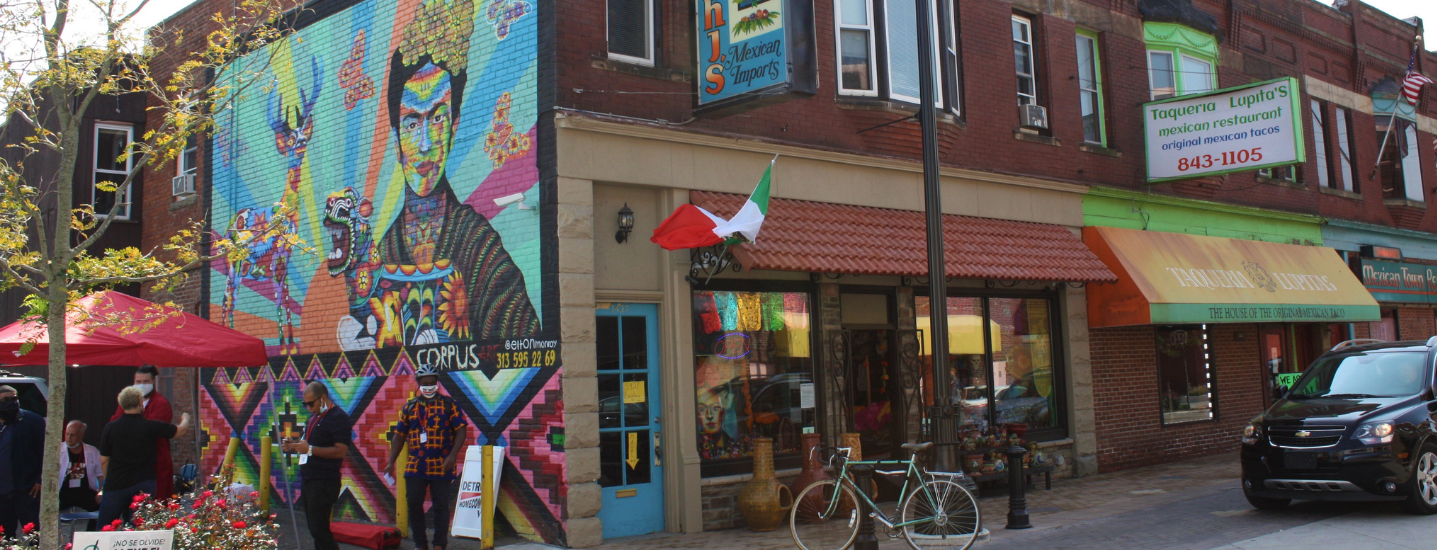
To the southwest, Mexicantown stands out as a cultural and culinary destination, known for its bakeries, restaurants, murals, and community events. Nearby neighborhoods such as Hubbard Farms, Springwells Village, and Delray offer a mix of residential and industrial uses. The Ambassador Bridge, one of the busiest international border crossings in North America, connects this area directly to Windsor, Ontario.
West Detroit
Detroit’s western neighborhoods are largely residential, featuring tree-lined streets, established communities, and a variety of housing options. Areas such as Bagley, Old Redford, Warrendale, Rosedale Park, and Parkland include brick colonials, bungalows, and historic homes. Commercial corridors and neighborhood shopping districts provide local services and dining options throughout the west side.
East Detroit
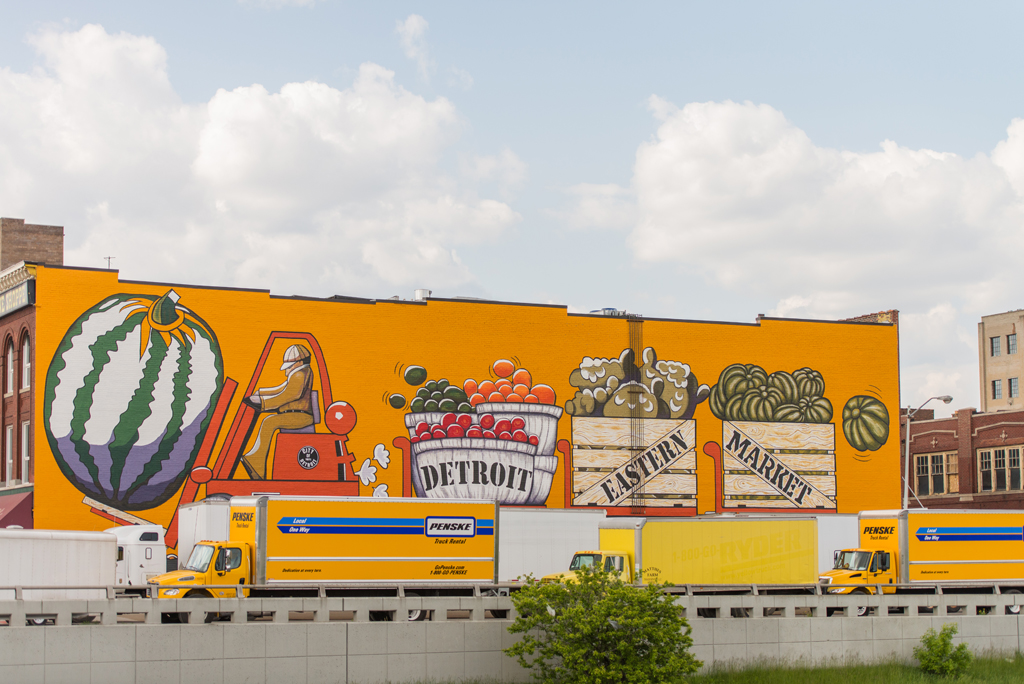
Detroit’s east side is home to some of the city’s most iconic destinations. Eastern Market, the largest historic public market district in the country, operates year-round and serves as both a food hub and community gathering space. The surrounding neighborhoods continue to see reinvestment in housing, retail, and mixed-use development.
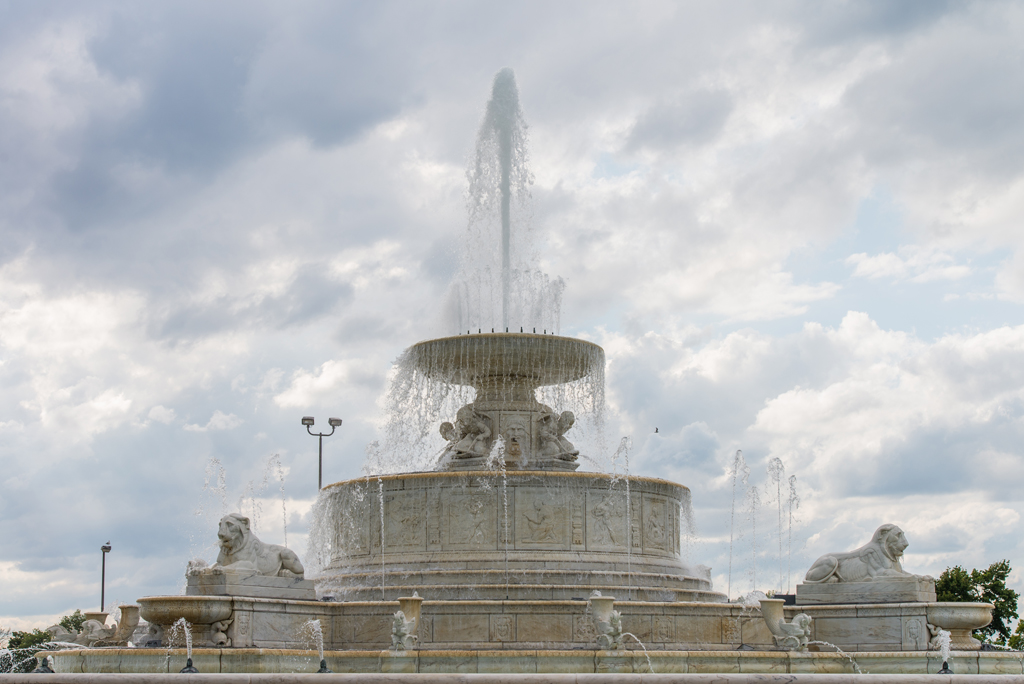
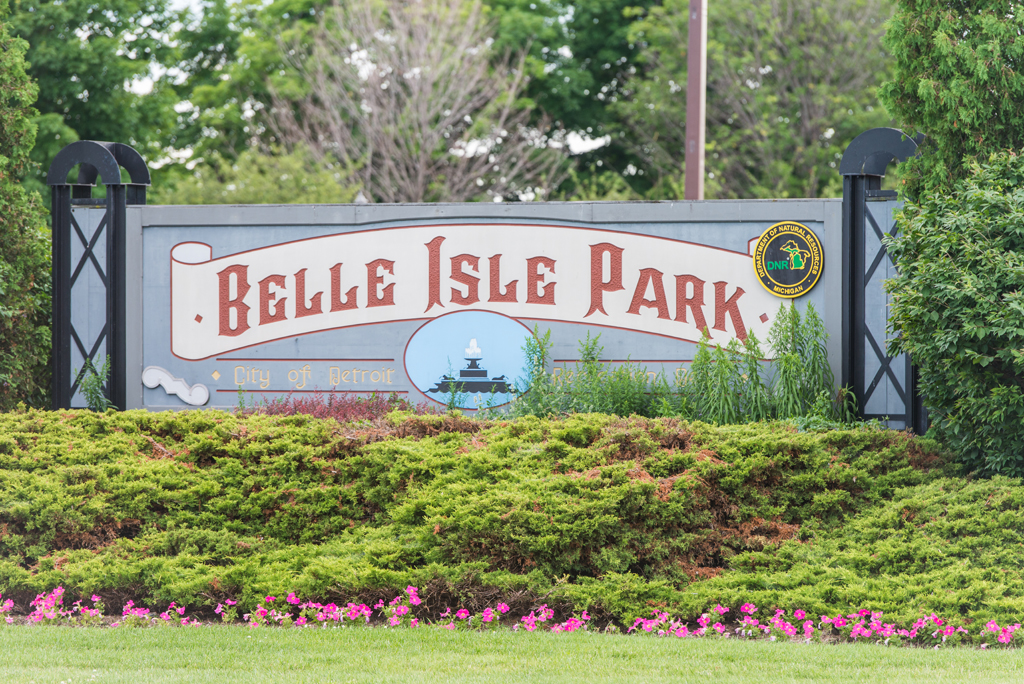
Belle Isle, a 982-acre island park in the Detroit River, is one of the city’s most beloved assets. Designed in part by Frederick Law Olmsted, the park features museums, a conservatory, a nature center, athletic facilities, and a public beach.
Historic residential neighborhoods such as Indian Village and West Village showcase architecturally significant homes built by notable designers including Albert Kahn. Other east-side areas, including Lafayette Park, Rivertown, and the East Jefferson corridor, offer a mix of modernist residences, high-rise towers, and waterfront condominiums.
Detroit continues to evolve, shaped by its history while embracing reinvestment, creativity, and community. With its distinct neighborhoods, cultural depth, and expanding residential opportunities, the city offers something for nearly every lifestyle.